I was a guest on the Disability Rap radio show in April. Please check it out: Exploring Late-Diagnosed Autism

I was a guest on the Disability Rap radio show in April. Please check it out: Exploring Late-Diagnosed Autism
Episode #41 is here: The Link Between Fibromyalgia and Autism.
In this episode, I sit down with Dr. Michael Lenz, a physician specializing in pediatrics, internal medicine, lifestyle medicine, and lipidology. Dr. Lenz is the author of Conquering Your Fibromyalgia and host of the podcast by the same name. His passion for lifelong learning and holistic patient care has led him to specialize in chronic pain syndromes — conditions that are often misunderstood, misdiagnosed, and dismissed by the medical community.
Together, we explore:
Dr. Lenz also shares insights from his clinical experience, including real patient stories that highlight the need for greater awareness, compassion, and interdisciplinary care. If you’ve ever felt unheard or gaslighted by the medical system — or if you want to understand the complex relationship between neurodivergence and chronic pain — this conversation is for you.
Watch this episode on YouTube.
Check out Dr. Michael Lenz’s website: Conquering Your Fibromyalgia
Kristen Hovet (00:00)
Today I’m speaking with Dr. Michael Lenz, a physician specializing in pediatrics, internal medicine, and lifestyle medicine. Dr. Lenz is based in Wisconsin and is the author of the book titled, Conquering Your Fibromyalgia. And he’s the host of the podcast by the same name. Please say hello to Dr. Michael Lenz.
Episode #40 is here: Rejection Sensitive Dysphoria and Autism.
In this episode, I dive into rejection sensitive dysphoria (RSD) and how it connects to both ADHD and autism. I explore the intense emotional responses that come with RSD, the common triggers, and the ways it can impact relationships and self-worth. I also share some therapeutic approaches that might help and explain why it’s so important to understand RSD — whether you experience it yourself or want to better support someone who does.
Watch this episode on YouTube.
Take the Rejection Sensitive Dysphoria test. If your score is 45-60, the website recommends that you “see a trained mental health professional as there is a possibility that you may be experiencing symptoms of rejection sensitive dysphoria.”
If you’d like to know more about topics discussed in this episode, check out:
“Rejection Sensitive Dysphoria in ADHD and Autism” by Debra Bercovici
“New Insights Into Rejection Sensitive Dysphoria” by William Dodson
“Rejection Sensitivity Dysphoria in Attention-Deficit/Hyperactivity Disorder: A Case Series” by William W. Dodson et al.
“Associations Between Autistic Traits, Depression, Social Anxiety and Social Rejection in Autistic and Non-autistic Adults” by Emine Gurbuz et al.
“Recognising and Responding to Physical and Mental Health Issues in Neurodivergent Women” by Clive Kelly et al.
“What to Know About Autism and Rejection Sensitive Dysphoria” by Amy Marschall
“Rejection Sensitive Dysphoria and Autism Unveiled” by Ralph Moller
“Effects of Rejection Intensity and Rejection Sensitivity on Social Approach Behavior in Women” by Violetta K. Schaan et al.
Kristen Hovet
Patient one was a 29 year old single male who was diagnosed with ADHD in the fifth grade and again in his first year of engineering school. Patient one made adequate grades to get into engineering school. His father forbade the use of medications for ADHD because he thought that the problem was that the patient was just lazy and unmotivated. For his entire life, patient one viewed his main problem as his episodic attacks of physical and emotional pain, intense shame, and feeling ostracized anytime he perceived that someone else had withdrawn their love, approval, or respect.

Episode #39 is here: The Story Behind the Self-Advocacy Guide for Cancer Patients on the Autism Spectrum.
If you’re autistic and you’re diagnosed with cancer, will your care be impacted by your unconscious wish to be the perfect patient? Or will it be impacted by an abusive spouse or partner, the kind so many of us on the spectrum find ourselves with? We explore these questions and much more.
In this episode, we honour the life and legacy of Lindsey Carla Holmes, a late-diagnosed autistic woman, who passed away from metastatic ovarian cancer earlier this year.
Joining me is Dr. Paula Holmes-Rodman — Lindsey’s sister, caregiver, and collaborator — to discuss aspects of Lindsey’s life and the sisters’ co-development of the Self-Advocacy Guide for Cancer Patients on the Autism Spectrum.
We explore Lindsey’s journey of self-discovery, her resilience and sunshiny disposition, advance care planning, and some of the issues that may leave many autistic folks vulnerable to abusive relationships.
Dr. Holmes-Rodman shares stories from The Lindsey Interview Project, the cat- and snack-filled Sunday afternoon chats that sparked the development of the Self-Advocacy Guide for Cancer Patients on the Autism Spectrum — a Guide uniquely positioned to help autistic cancer patients everywhere.
This episode celebrates Lindsey’s hopes for the autistic community, the continued importance of self-advocacy, and the ways listeners can help support Lindsey’s vision for a better future.
Watch this episode on YouTube.
Find the Self-Advocacy Guide for Cancer Patients on the Autism Spectrum on Autism Canada.
Watch The Lindsey Interview Project.
Kristen Hovet
Hey everyone, welcome back to The Other Autism podcast. I have a bit of a cold today, but I wanted to make sure to get this out as I’ll be away next month. Today I’m speaking with Dr. Paula Holmes-Rodman, an anthropologist, consultant, writer, and practitioner of narrative-based medicine, based in British Columbia, Canada. But before I share our conversation, I’d like to say a huge thank you to Pam and Sanna for each buying me three coffees through the Buy Me a Coffee link. Thank you both so, so much. If you would also like to buy me a coffee, please check out the link in the show notes that says, buy me a coffee. And with that, please say hello to my guest for today, Dr. Paula Holmes-Rodman.
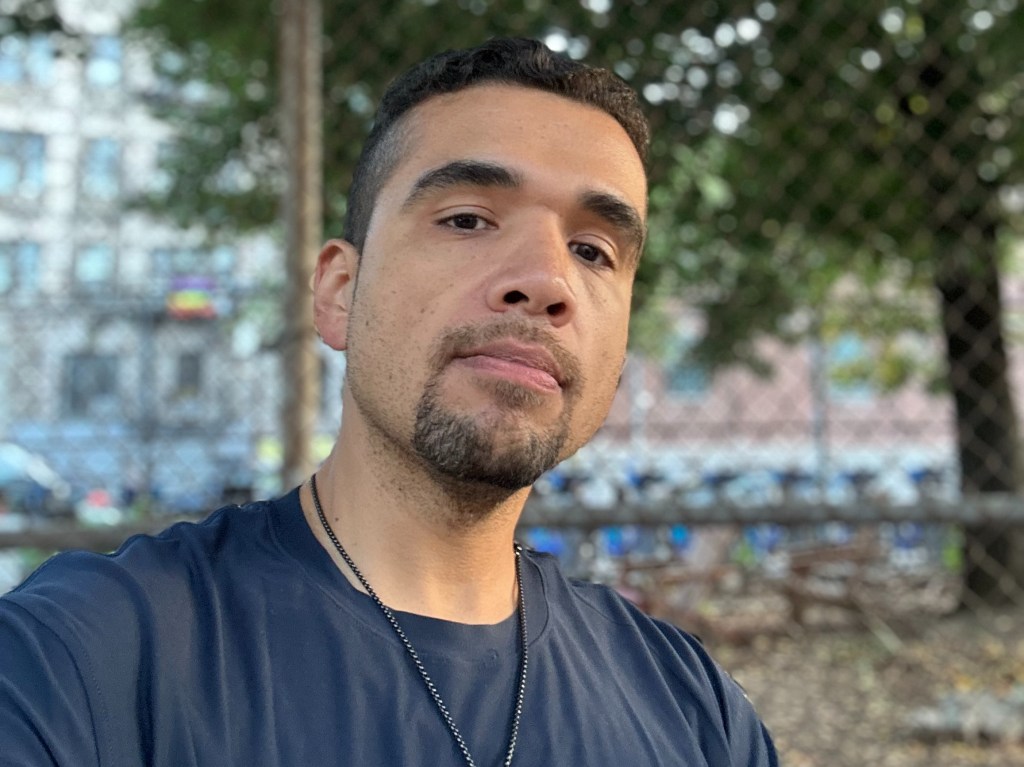
Episode #38 is here: Autistic Hispanic Personal Trainer in New York
Meet Dennis Bourne, a late-diagnosed autistic and ADHD personal trainer and martial arts instructor. Dennis shares his journey growing up undiagnosed in New York with immigrant parents, recounts his experiences as a Hispanic neurodivergent person, and describes how ADHD and autism diagnoses reshaped his worldview.
Dennis also offers fitness and dietary tips for neurodivergent individuals and emphasizes the importance of adaptable routines. Tune in for insights on self-discovery, embracing neurodiversity, and finding strength in both body and mind.
Watch this episode on YouTube.
Follow Dennis Bourne on Instagram and on YouTube.
Kristen Hovet
Today I’m speaking with Dennis, who is based in New York. Before I share our conversation, just a reminder, if you’re interested in joining the Patreon for The Other Autism, you can head on over to patreon.com/theotherautism. That’s all one word. If you’re listening and watching on YouTube, you’ll notice I changed the background just a little bit. I moved The Other Autism sign. It was kind of bothering me to have it behind me because I would often, my big head would cover part of it and my lights would reflect off the acrylic part of the sign. I’ll leave it for now and see how it goes. And without further ado, please say hello to my guest for today, Dennis.

Episode #37 is here: Former Teacher Finds the Diagnosis Her Therapists Missed
Today, I’m speaking with Sarah, a musician, gardener, and former teacher based in Pennsylvania. Sarah spent much of her life in therapy and struggling with others’ misunderstandings and insensitivities. Now, in her 60s and with a handful of mental health diagnoses behind her, she is finding that autism might explain so many of her experiences.
A series of back-to-back crises set the stage as Sarah wrestles with her newfound autistic identity.
Watch this episode on YouTube.
Kristen Hovet
Today I’m speaking with Sarah, a gardener, musician, and former teacher in Pennsylvania. But before I share our conversation, I’d like to thank Roberta for buying me a coffee through the buy me a coffee link. Roberta, I really appreciate it. I’d also like to thank the Patreon patrons who sponsor the show and in return get some bonus content. There’s also a link in the show notes to Patreon. For a few dollars a month or any custom level that you set, you can become a patron of the show. Speaking of a few dollars a month, I have a correction to make from the last episode. When I was promoting The Other Autism’s Patreon, I said for a few dollars a day, you can support the show. Obviously I meant for a few dollars a month, maybe some wishful thinking on my part. And with that, please say hello to my guest for today, Sarah.
British Columbia, Canada
 The Other Autism