
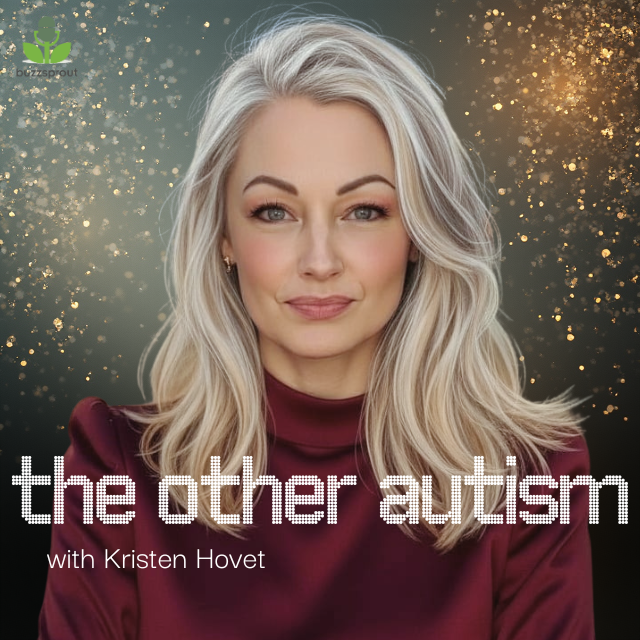
The Other Autism is one of the leading podcasts about late-diagnosed autism.
If you’re autistic or wondering if you might be, I’m hoping this podcast helps you feel more informed and less alone.
The Other Autism podcast explores late-diagnosed autism and the latest in autism research, and dispels myths and stereotypes about autism and autistic people. Episodes feature interviews with late-diagnosed autistic folks who share their diagnosis stories, as well as interviews with autistic or neurodivergent experts working in the autism space and in a variety of other professions.
Listen now at Buzzsprout or wherever you get your podcasts.
Why did I make The Other Autism?
My name is Kristen and I was diagnosed as autistic in my 30s. Though I had seen many skilled doctors, mental health professionals, and other healthcare providers throughout my life, none had ever suspected autism. I was labelled shy, gifted, intense, sensitive, reserved, but never autistic.
How come? What is it about me that makes my autism invisible? And why did it take so long for someone to finally see autism in the ways I express myself and inhabit the world? These are the types of questions I explore, along with my guests, on The Other Autism podcast.
My purpose
I work hard to produce The Other Autism because the predominant view of autism is still incomplete, and this incomplete view causes a lot of pain and confusion.
Many females and also some males, gender fluid, and afab (assigned female at birth) individuals present with what is called by many in the research community: the female autism phenotype.
Seasoned therapists, psychologists, doctors, and even those who specialize in autism assessment and diagnosis often miss this particular high-masking presentation of autism.
It’s a problem we have to work hard to fix, together.
Undiagnosed autistic individuals are often misdiagnosed with borderline personality disorder, bipolar disorder, or similar. While these conditions can co-exist with autism, this is relatively rare. Autistic individuals often experience co-occurring anxiety and/or depression. Many have long-standing PTSD (aka C-PTSD).
Since suicide and severe depression are exceedingly common in this population, it is up to all of us to be as informed as possible about level 1 and high-masking presentations of autism.
And I really want to help. I want to help increase understanding and awareness about:
- the more subtle ways autism can present,
- harmful myths and stereotypes about autism and autistic people, and
- the latest in autism research.
And I want to help empower autistic individuals to live comfortable and fulfilling lives.
Please join me.
And if you have a question or concern, please feel free to contact me.
 The Other Autism